The Plague That Made Medieval People Dance
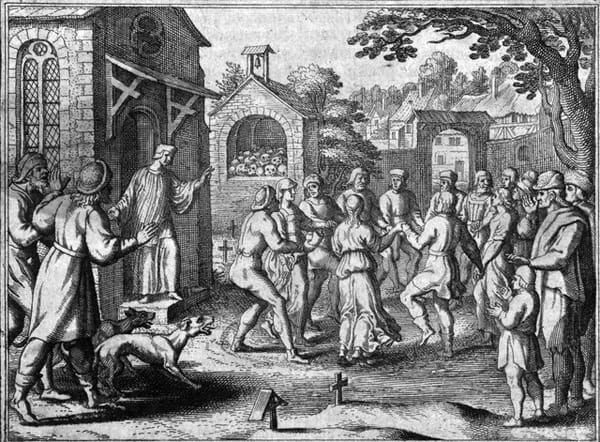
The Dancing Plague of 1518 is one of the most documented and least explained events in medieval history. The chronicle evidence is unusually good. We know when it started, approximately how many people were affected, and what the civic authorities did in response — including, remarkably, hiring musicians to keep the dancers going on the theory that they needed to dance it out.
What we do not know is what caused it.
This episode examines the competing explanations — ergot poisoning, mass psychogenic illness, religious mania, political stress — and what each explanation reveals about the assumptions of the people proposing it. We also examine what the civic response tells us about how medieval authorities understood the relationship between the body, the mind, and social order.
The Dancing Plague is not just a curiosity. It is a test case for how we interpret historical evidence when the event itself falls outside our existing categories.
What we discuss
The primary sources and what they actually record. The civic response and the decision to hire musicians. The ergot hypothesis and its problems. The mass psychogenic illness explanation and its limitations. What similar episodes in other times and places tell us. Why this event has attracted so much attention from historians of medicine and society.